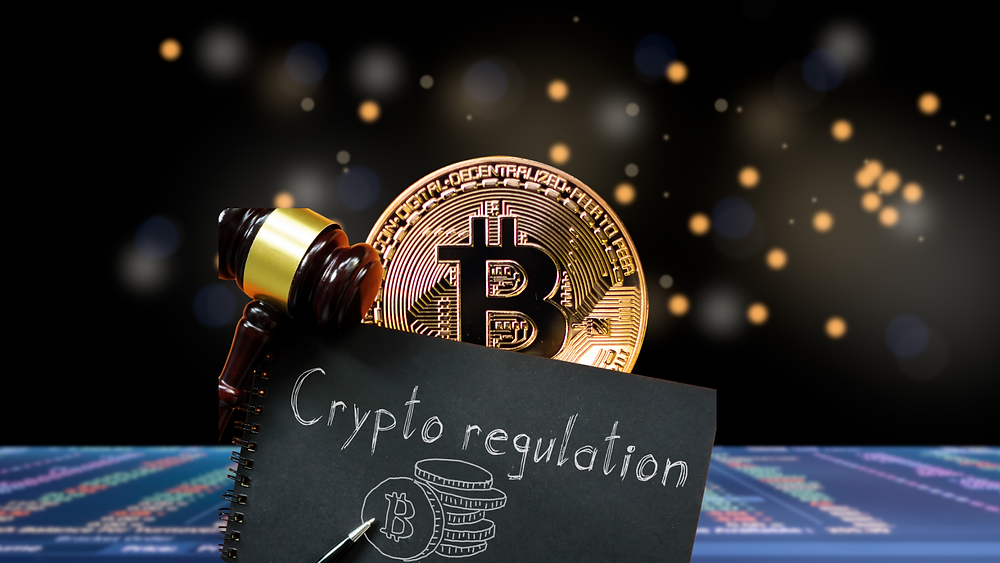

Cryptocurrency operates in a decentralized environment, often beyond the control of traditional financial authorities. While this decentralization offers benefits such as global accessibility and financial inclusion, it also poses challenges:
- Fraud and scams
- Market manipulation
- Tax evasion
- Consumer protection issues
Regulations aim to create a secure, stable, and transparent environment without stifling innovation.
Global Regulatory Landscape
1. United States
- The Securities and Exchange Commission (SEC) monitors tokens as potential securities.
- The Commodity Futures Trading Commission (CFTC) oversees derivatives trading.
- Cryptocurrency exchanges must comply with Anti-Money Laundering (AML) and Know Your Customer (KYC) rules.
2. European Union
- The Markets in Crypto Assets (MiCA) framework provides uniform rules for EU member states.
- Focus areas include stablecoins, investor protection, and market integrity.
3. Asia
- Countries like Singapore and Japan have regulatory sandboxes for innovation.
- China has banned crypto trading but continues to promote blockchain technology and its Central Bank Digital Currency (CBDC).
4. Emerging Markets
- Governments are exploring cryptocurrencies as tools for financial inclusion while balancing risk.
- Countries in Africa and Latin America are experimenting with crypto payments and remittances.
Impact on the Crypto Market
The cryptocurrency market is currently navigating a severe macro-driven bear cycle, highlighted by Bitcoin dropping below $60,000 to a 21-month low. A confluence of institutional liquidations, Middle East geopolitical strains on energy, delayed US regulatory frameworks, and capital rotation into artificial intelligence has wiped out over $1 billion in leveraged positions within 24 hours.
- Capital Rotation to AI: Institutional allocators are actively shifting risk-off liquidity away from speculative crypto assets into semiconductor and AI-focused tech equities.
- Massive ETF Outflows: U.S. spot Bitcoin ETFs have experienced a severe liquidity squeeze, suffering billions in net outflows that have triggered mechanical selling by fund issuers.
- Regulatory Bottlenecks: Sentiment has soured following reports that the long-awaited U.S. CLARITY Act—aimed at establishing a comprehensive domestic crypto framework—faces legislative delays.
1. Market Stability
Clear regulatory frameworks reduce uncertainty, making markets more predictable for investors.
2. Institutional Adoption
Institutional investors are more likely to participate in markets with clear legal guidance.
3. Innovation vs. Restriction
Regulations can foster responsible innovation but may also restrict certain decentralized applications if rules are too strict.
4. Compliance Costs
Businesses must allocate resources to meet regulatory standards, impacting profitability.
Key Regulatory Focus Areas
- Taxation – Reporting requirements for capital gains and transactions.Derivatives Market Stress: High-volume option expiries and short-selling surges are compounding downside pressure, leaving Bitcoin and Ethereum well below their expected “max pain” price thresholds.Regulation influences market behavior in several ways:
- Taxation – Reporting requirements for capital gains and transactions.
- AML/KYC Compliance – Preventing illegal activities using crypto.
- Stablecoin Oversight – Ensuring reserves are maintained and transparent.
- Consumer Protection – Safeguarding retail investors from fraud.
- Decentralized Finance (DeFi) – Determining how to regulate platforms without central intermediaries.
Future Regulatory Trends
The global crypto regulatory landscape is fundamentally shifting from policy design to aggressive operational enforcement. While legislative bottlenecks like the U.S. CLARITY Act create short-term market friction, a clear macro trend toward formal integration with traditional banking networks, structural surveillance, and unified cross-border compliance is taking over.
Major Global Shifts
-
- U.S. Inter-Agency Alignment: The SEC’s 2026–2030 Draft Strategic Plan explicitly prioritizes digital assets, establishing formal SEC-CFTC harmonization to streamline custody, tokenized offerings, and staking.
- EU MiCA Operational Realities: With both phases of the Markets in Crypto-Assets Regulation (MiCAR) fully live, the focus has pivoted to strict enforcement of reserve asset backing for stablecoin issuers and cross-border “passporting” audits for service providers. [1,
- UK’s Codified Perimeter: Following the passage of the Financial Services and Markets Act (Cryptoassets) Regulations 2026, the UK Financial Conduct Authority (FCA) has begun formal pre-application matching to bring all domestic custody and exchange operations under its direct perimeter.
- Global Tax Transparency: The OECD’s Crypto-Asset Reporting Framework (CARF) has gained total G20 backing, setting up mandatory, automated transaction data-sharing mechanisms between international tax authorities.
- Global Coordination – Countries are increasingly collaborating to create uniform crypto rules.
- CBDCs Integration – Central bank digital currencies may coexist with private cryptocurrencies.
- DeFi Guidelines – Expect emerging standards for smart contracts and decentralized lending.
- Environmental Regulations – Mining and energy consumption could face stricter oversight.
Investors must stay informed as these trends will shape market dynamics.
How Investors Should Respond
Actionable Positioning Strategies
- Audit On-Chain Venues: Migrate capital out of non-KYC protocols and unbacked offshore entities into institutional-grade, regulated custodians that comply with local regulatory frameworks.
- Rotate to Compliance Proxies: Reallocate capital away from highly speculative governance tokens or privacy coins and focus on fully audited, high-quality liquid assets like compliant payment stablecoins.
- Establish Hard Technical Floors: Set strict, automated stop-loss thresholds around Bitcoin’s critical $58,000 support to prevent cascading liquidation risks in your broader portfolio.
- Incorporate Systematic Yield: Use defensive financial instruments like Bitcoin Premium Income ETFs to generate consistent yield and offset spot price drawdown losses.
Strategic Framework for Portfolio Rebalancing
| Investor Type | Recommended Tactical Action | Primary Goal |
|---|---|---|
| Short-Term Trader | Hedge spot positions with options-overlay products and short-duration derivatives. | Capital preservation and volatility mitigation. |
| Long-Term Holder | Standardize multi-signature institutional custody and track international tax reporting. | Legal compliance and structural security. |
| Yield-Focused Investor | Shift liquidity pools exclusively into verified, KYC-compliant institutional DeFi protocols. | Eliminating smart-contract and regulatory platform risk. |
- Stay Updated – Follow regulatory announcements in your region.
- Use Compliant Exchanges – Choose platforms that adhere to legal requirements.
- Diversify Portfolio – Spread risk across multiple assets and jurisdictions.
- Plan Taxes – Maintain detailed records for reporting purposes.
- Assess Project Legitimacy – Regulatory compliance can indicate project reliability.
Potential Market Impact
- Increased transparency and investor confidence
- Higher institutional participation
- Reduction in fraudulent projects
- Temporary volatility after regulatory news
Well-crafted regulations can boost adoption while protecting participants from unnecessary risk.
Final Thoughts
The current cryptocurrency market landscape demands a permanent shift from speculative trading to institutional-grade asset management. Success in this macro-driven cycle will not be determined by chasing short-term price pumps, but by mastering operational compliance, structural security, and programmatic risk management.
Summary of the Strategic Playbook
- De-Risk Aggressively: Treat regulatory compliance as a core financial metric. Purge unbacked assets, privacy tokens, and non-KYC protocol exposure before enforcement actions freeze liquidity pools.
- Embrace Financial Integration: Position your remaining portfolio alongside institutional rails. Focus on highly liquid, fully audited payment stablecoins and regulated institutional digital frameworks.
- Automate Capital Preservation: Remove emotional biases from your execution. Rely on hard technical floors, automated stop-losses, and options-overlay hedges to navigate ongoing macro volatility.
Crypto regulations are no longer optional; they are a central aspect of the market’s evolution. While some fear that regulation may limit freedom, clear and fair rules are likely to foster long-term growth, stability, and legitimacy.
For investors and businesses:
- Understanding regulations is critical for risk management
- Compliance ensures legal protection
- Anticipating trends positions participants to capitalize on new opportunities
The future of cryptocurrency will depend on balancing innovation with responsible governance, creating a mature, sustainable, and widely accessible financial ecosystem.